

Georgetown County, South Carolina, is blessed with four rivers, the Winyah Bay, the Atlantic Ocean, and two jewels of nature: Hobcaw Barony and the Yawkey Wildlife Center. Hobcaw means “between the waters” in a Native American dialect. The word Barony is simply a unit for measuring land granted by the King of England to one of the Lords Proprietors of the Carolinas—12,000 acres.
Georgetown was a crop-producing area. In colonial times, indigo was the primary cash crop, while in the antebellum era, rice dominated the economy. Eventually, the timber industry became an important sector.
Table of Contents
Hobcaw Barony
Hobcaw Barony, one of the last English land grants, or baronies, is now a privately-owned research reserve of 16,000 acres. It was once the winter home and hunting retreat of Wall Street financier Bernard Baruch, where presidents and politicians visited and Churchill recuperated. Baruch was one of the first millionaires from the north to purchase former rice plantations for hunting property at the turn of the 19th century. By 1956, his daughter Belle inherited portions and purchased others.
The Belle Baruch Foundation preserves the property for future generations. Hobcaw boasts South Carolina’s stunning coastal diversity and over 70 cultural sites spread across the original plantation. Historic Friendfield Village is the last slave village on the Waccamaw Neck.

Although Friendfield Village is frequently visited, Hobcaw tours rarely include other hidden villages. Special tours occasionally include all four villages and an in-depth description of each, along with a viewing of historical photographs. There is a cabin in a clearing at the Alderly Village site that Joseph and Theodosia Burr Alston once owned.
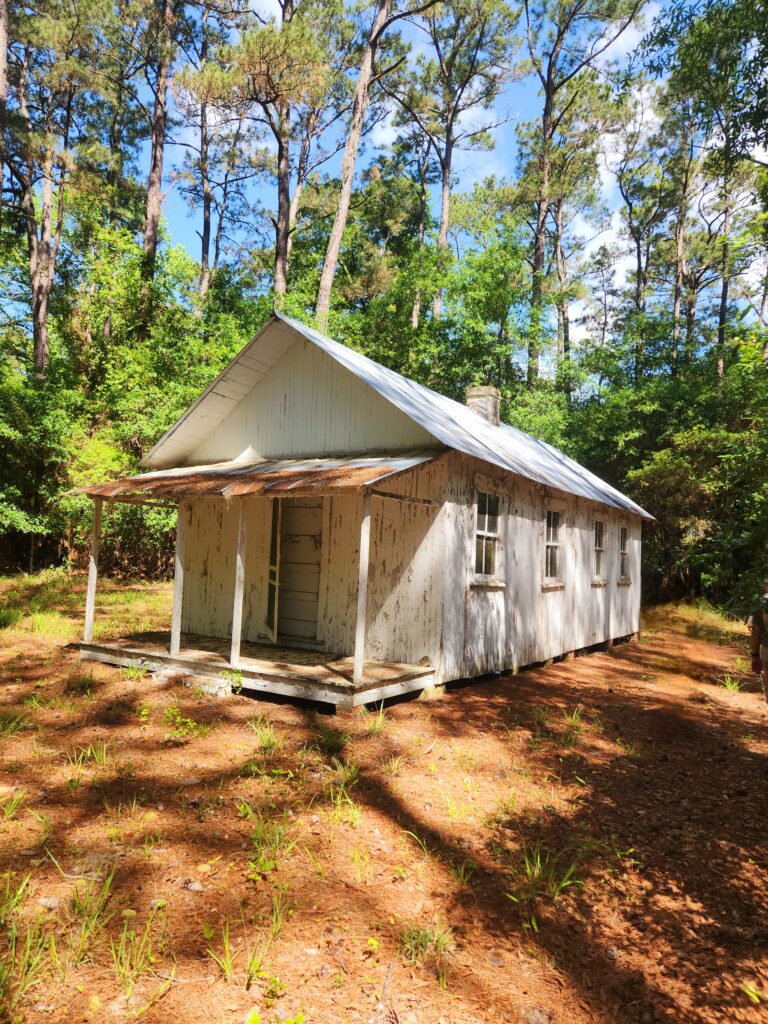
In Barnyard Village, visitors tour a renovated cabin as well as several remaining buildings, including the remnants of a rice processing plant. The remaining brick walls of the factory still hold the gears that operated the equipment. Through the arched windows, you can see the canal where boats once waited to be loaded with Carolina Gold Rice. In Strawberry Village, there is a one-room schoolhouse where many children received their education. It may be the location where Belle returned a group of truant boys who tried to evade her by running into the swamp. They underestimated Belle’s determination they receive an education.


Discover Hobcaw

The Discovery Center at Hobcaw Barony is a museum that features exhibits and displays on colonial history, slavery, Friendfield Village, ecology, and the research projects conducted at Hobcaw. The 1,200-gallon saltwater aquarium filled with native fish species is the centerpiece of the lobby. There is also a longleaf pine exhibit that features cameras, providing a glimpse at nesting bluebirds or endangered red-cockaded woodpeckers.


My favorite exhibit holds Belle Baruch’s riding boots and binoculars. An avid birdwatcher, these binoculars were also used on her beach patrols—during World War II, FBI Director J. Edgar Hoover requested that she watch for German spies. Did you know that during World War II, the enemy was landing along the U.S. coastline? Belle fearlessly aided in capturing a German spy! The podcast about her exploits is featured on Big Blend Radio’s Women in History episode, and my article, Belle Baruch: American, Pilot, Equestrian, Spy!, is published in Big Blend Magazine.
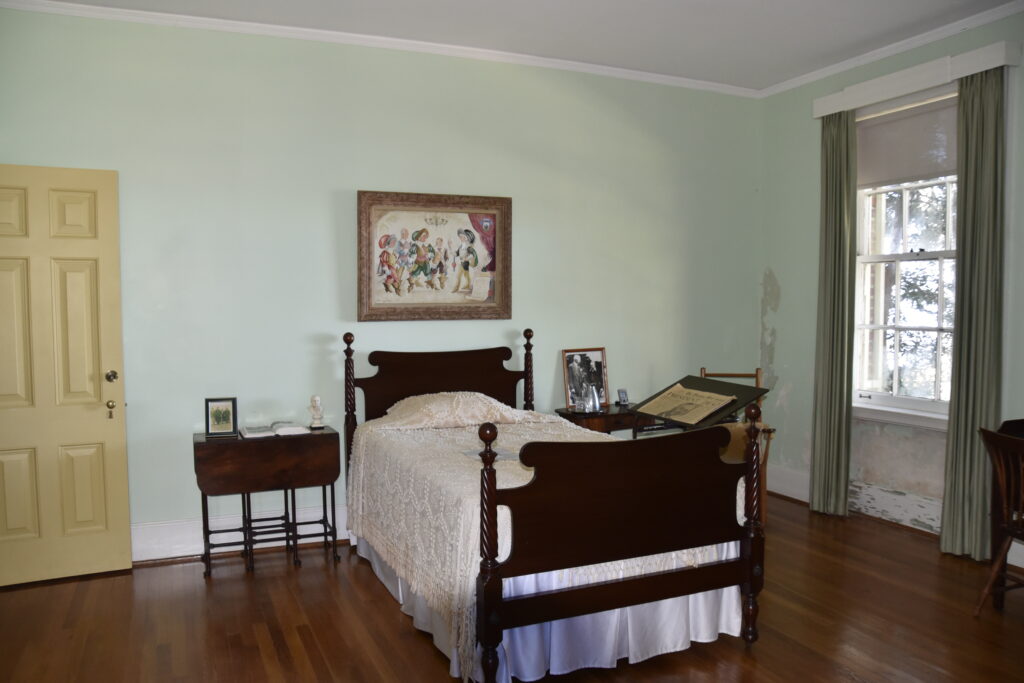


Fire destroyed Bernard Baruch’s original home, which was rebuilt in 1930. Tours often include the Baruch home, but sadly, Belle’s house is not in a condition that allows for tours. Bernard’s home is filled with original furnishings, making it easy to imagine yourself in the company of Churchill and Roosevelt. When you visit this house, you are walking in history.

Hobcaw Barony Wildlife Refuge Tours


The best way to experience all that Hobcaw Barony has to offer is through a guided tour. In fact, being a part of a group is the only way to see the property. Numerous tours are available, making it easy to select the one that best suits you. However, since the groups are small, please book in advance. The Saturday Explore tour includes a stop at the North Inlet salt marsh.
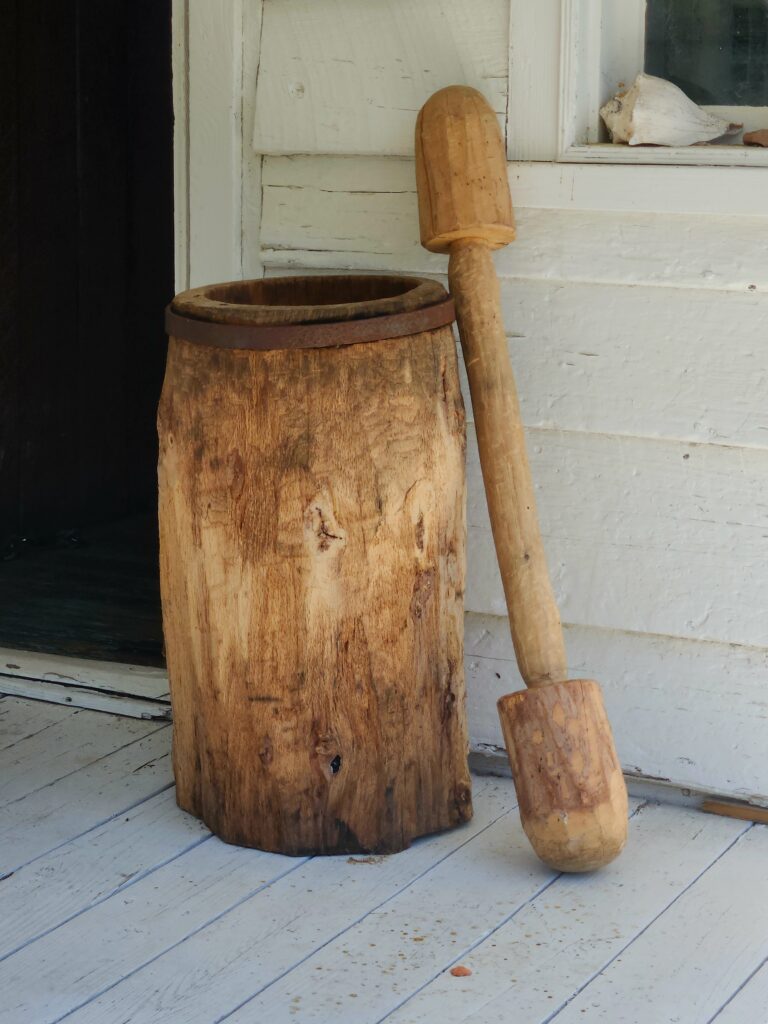
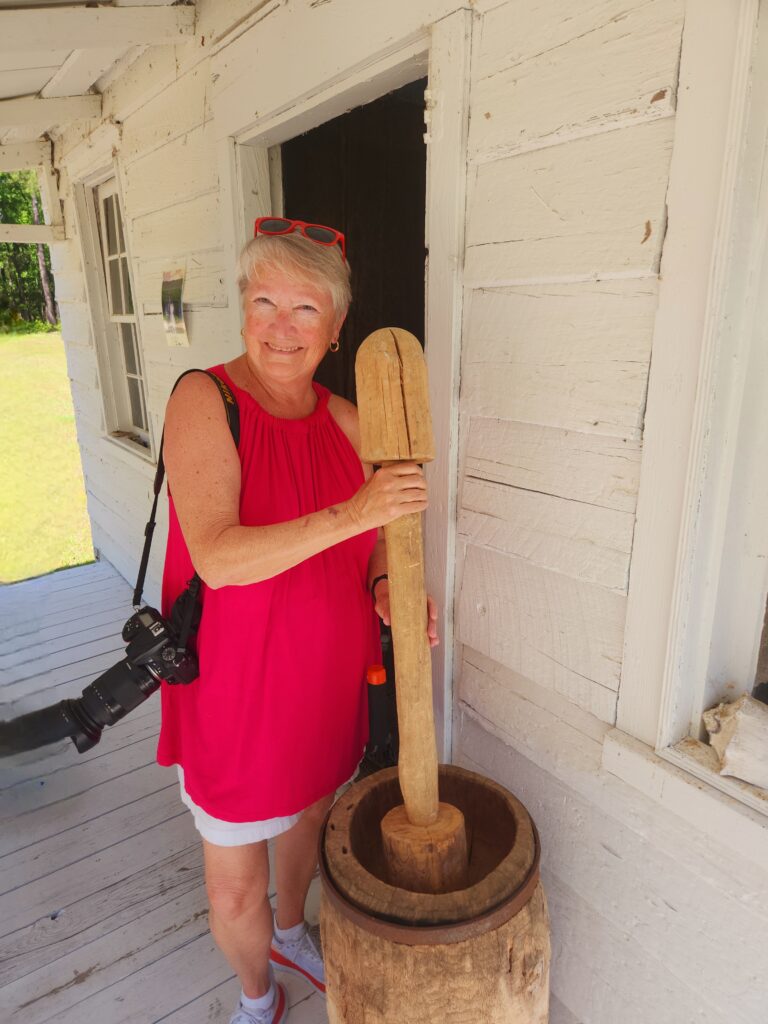
Often, there are events and tea parties in her garden, and tours frequently include the grounds, but the house isn’t open. Her love for horses is front and center, with the lovely stable situated across from her home. Just up the drive is the Victory Garden, which Belle established during World War II.
Special events, such as birding and night photography, are frequently offered; check the Hobcaw website for details.
Tom Yawkey Wildlife Center & Foundation
The foundation supports the wildlife center, operated by the South Carolina Department of Natural Resources (DNR). By vehicle, the center is approximately thirty minutes from Hobcaw Barony, but by boat, it takes only a few minutes to reach. The properties along the North Inlet-Winyah Bay National Estuarine Research Reserve are so close that they almost touch. Fortunately, the men who purchased this land not only cherished the area but also recognized the importance of preserving it for future generations of South Carolinians.
Tom Yawkey
Thomas Austin “Tom” Yawkey was born in Detroit in 1903. His father died just seven months later. His mother, Augusta Yawkey Austin, moved near her brother in New York City. Uncle Bill Yawkey helped raise Tom until the Spanish Flu epidemic of 1918 took both his mother and uncle, leaving Tom an orphan at 16 years of age, heir to a $20 million fortune from lumber, mining, and oil. He graduated with honors from Yale and later, at the age of 30, purchased the Boston Red Sox baseball team, serving as both owner and president of the Sox until his death in 1976.
Jean Hollander Yawkey married Tom in 1944. She threw herself into team ownership and took over after Tom’s death. She became the first woman to be a director of the Cooperstown National Baseball Hall of Fame and Museum in 1983. She still holds the prestigious position of being the first woman to serve on the Hall of Fame’s board.
Wildlife and Conservation
Tom and Jean were devoted to baseball but also focused on helping others in their community. They gave freely of their time and money, taking steps to leave a living legacy through the Tom Yawkey Wildlife Center Foundation.
In 1914, Uncle Bill purchased a small ownership stake in the South Island Hunting Club in Georgetown County, sparking Tom’s lifelong love of wildlife and nature. After his uncle’s death, he inherited Bill’s stake and later purchased the shares of the other owners. He continued to acquire land that surrounded it to establish a wildlife refuge. Yawkey spent winters in Georgetown and managed his land using his conservation techniques, creating a pristine refuge. Eventually, he hired biologists to assist in property management and improvement.


Yawkey Wildlife Center
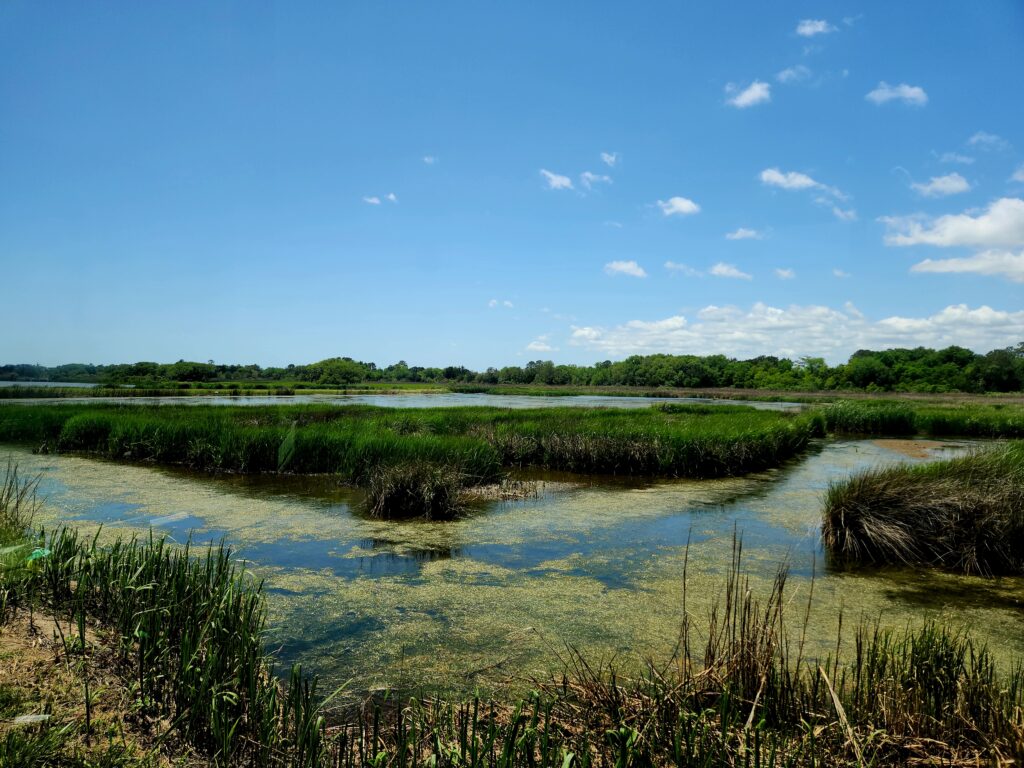
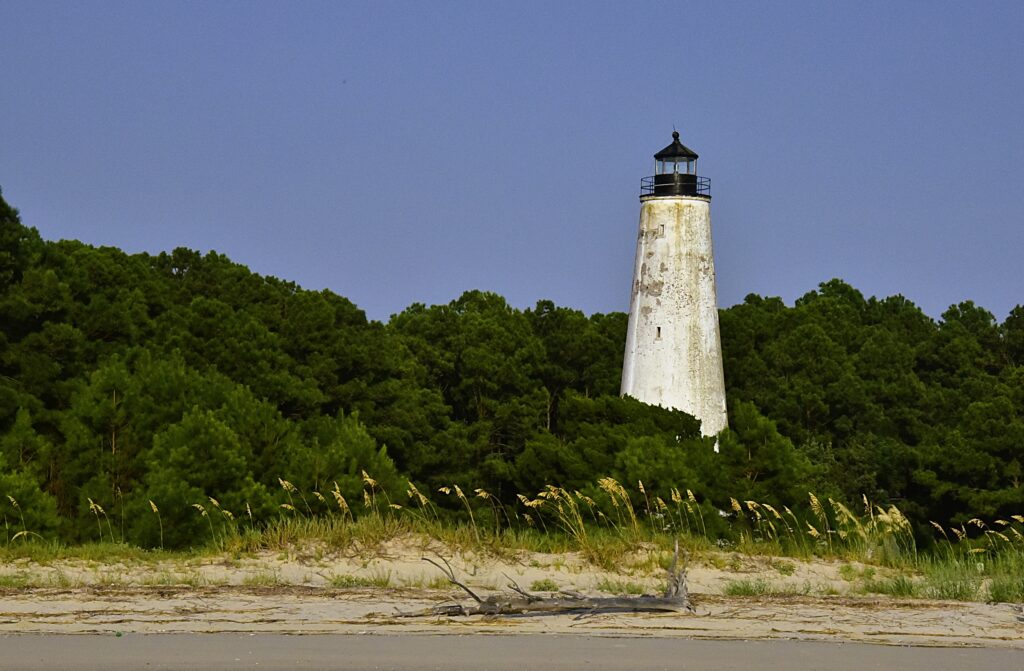
The Yawkey Wildlife Center, a donation of 24,000 acres on the South Carolina Coast, was one of the largest bequests in South Carolina history. The property comprises three coastal islands located in the mouth of Winyah Bay, named after a local Native American tribe. The North Island, South Island, and Cat Island are lands that once cultivated Carolina Gold Rice, and there are still historic rice mills and villages. Staff and family members have inhabited Cat Island for the last hundred years; many are the descendants of original residents. They still have to take a quick boat ride to the mainland side to attend school or shop.
The Department of Natural Resources (DNR) oversees center operations, which, as a field research lab, include world-renowned research programs, educational initiatives, and an undisturbed habitat for over 200 different species of birds, including migrating birds and endangered species. Frequent visitors include ospreys, hawks, peregrine falcons, and majestic bald eagles.


A limited number of tours are offered free of charge. The variety includes guided walks, birding trips, photo safaris, artist days, and history tours that include a cemetery and school experience. Island history dates back to the 1700s, making for a fantastic day. People have lived on these islands for hundreds of years, and the tours highlight the significance of this fact.


The four- and five-hour tours are seasonal, running from September to May, and are limited to 14 people. Reservations are required and can be made by emailing Patty Wham at the center’s office: email her at WhamP@DNR.SC.Gov or call (843) 546-6814.
You can also take one of Capt’n Rod’s Lowcountry Tours to North Island (popularly known as “Shell Island.”) You will have several hours on the island to collect shells and walk along the pristine beach. Along the way, you will probably see dolphins and eagles. Be sure to tell Captain Thom and First Mate Paige I said hi.
Georgetown Area History
South Carolina’s military history predates the nation. Georgetown was the hiding place of Francis Marion, known as “The Swamp Fox” due to his uncanny ability to disappear into the Lowcountry swamps. A British general said of Marion, “As for this damned old fox, the devil himself could not catch him!”
The Low Country is where Swamp Fox Francis Marion led British troops on chases and escaped riding locally-bred Marsh Tacky horses—the only horses who could maneuver in swamps and pluff mud.
Take walking tours of Georgetown and view historic buildings as you walk in Marion’s footsteps with Paige Sawyer of Old Georgetown Walking Tours.
Our patriotic forefathers originated guerilla warfare—during the Revolutionary War. The Civil War started at Fort Sumter, in our backyard. During World War I, South Carolina had one of the highest participation rates in the nation. WWII saw German spies sneaking ashore on our coastline. The Army Air Corps took over the new Myrtle Beach Airport in 1940 for pilot training. That base served the U.S. Air Force through the Vietnam War and until its closure in 1991.
Tours highlighting the impact of the Air Force Base on Myrtle Beach’s history are informative and interesting. Visit Myrtle Beach History Tours to learn more about the remarkable history of the area. In addition to military history tours, they also offer tours that showcase movies filmed in Myrtle Beach and the music made famous in our area, known as Carolina Beach Music. Kathryn Hedgepath will share her vast local knowledge with folks on her trolley tour bus. Every tour is fun and enlightening, I should know—I’ve been on every one—and you should book one soon.
Planning A Southern Road Trip
For more exciting trips, take a drive along the Blue Ridge Parkway (most of it is open, and they need our support!) Try these locations! Stop in the Roanoke Valley, then continue through the neighboring mountain towns of moonshine fame. Follow the beautiful Parkway to the Rocky Knob AVA, and continue down the Parkway into North Carolina to visit beautiful Yadkin Valley Wineries. Then point your car South and head to Myrtle Beach and Georgetown County.

Wow! Looking forward to visiting Hobcaw Barony sometime!
It is a perfect day trip from Myrtle Beach!