
History of Juneteenth
By June 19, 1865, the Civil War had been over more than two months. That was the day Union soldiers rode into Galveston, Texas, and shared news that the War was over, and enslaved men and women were free. Juneteenth commemorates the day when the U. S. Army declared 250,000 Texas enslaved people “free”.
Juneteenth does not so much mark the beginning of freedom nor the end of slavery. Still, it marks the historical significance of the day when freedom was finally enforced in the last Confederate state where emancipation had not yet been implemented. Every year, formerly enslaved people in Texas celebrated that day with cookouts, music, and parades. As they moved about the country, the celebration of the day spread with them. In 1980, June 19 was first declared a state holiday in Texas.
Table of Contents
Juneteenth’s Significance
The story of slavery and freedom is complicated. It is rarely as simple as one or the other. But it is part of our nation’s history, and it is a history worth hearing. For 250 years, America has grown, made changes, made mistakes, and made hard decisions. Freedom has never come easily. Freedom has never been free.
The people who celebrated on Juneteenth didn’t simply wake up that morning and find freedom neatly delivered. There were generations of sacrifice, suffering, perseverance, education, community building, and determination behind that moment. Then there were generations afterward who had to preserve the stories so they wouldn’t be forgotten.
I tell those stories—the stories of people—of history. We have a tradition in the South of embracing our eccentric relatives instead of hiding them. Julia Sugarbaker, outspoken icon of Designing Women, said it best: “No one in the South ever asks if you have crazy people in your family. They just ask which side they’re on.” And, truth be told, we don’t hide them in the attic; we put them right out on the front porch.
We’re kind of like that about history too. It may be good, bad, ugly, or crazy. But it is ours. We embrace and identify with people’s stories and hardships. We think, “There, but for the Grace of God…”
The Enduring Story Juneteenth Shares
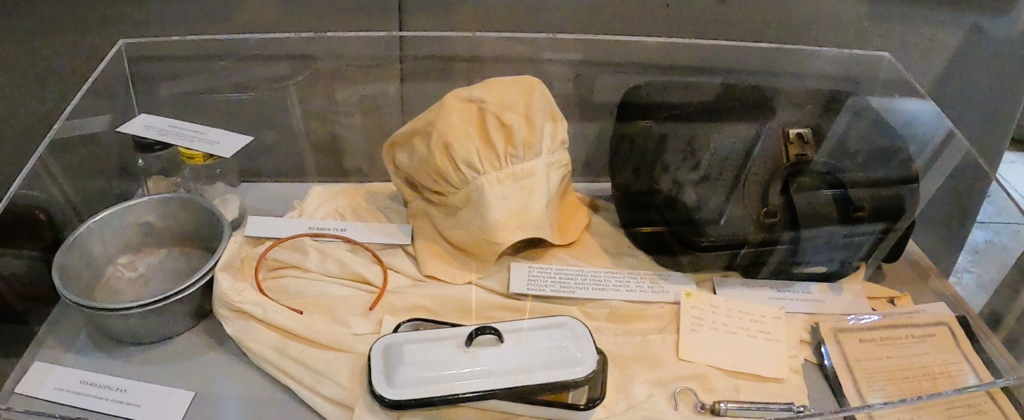
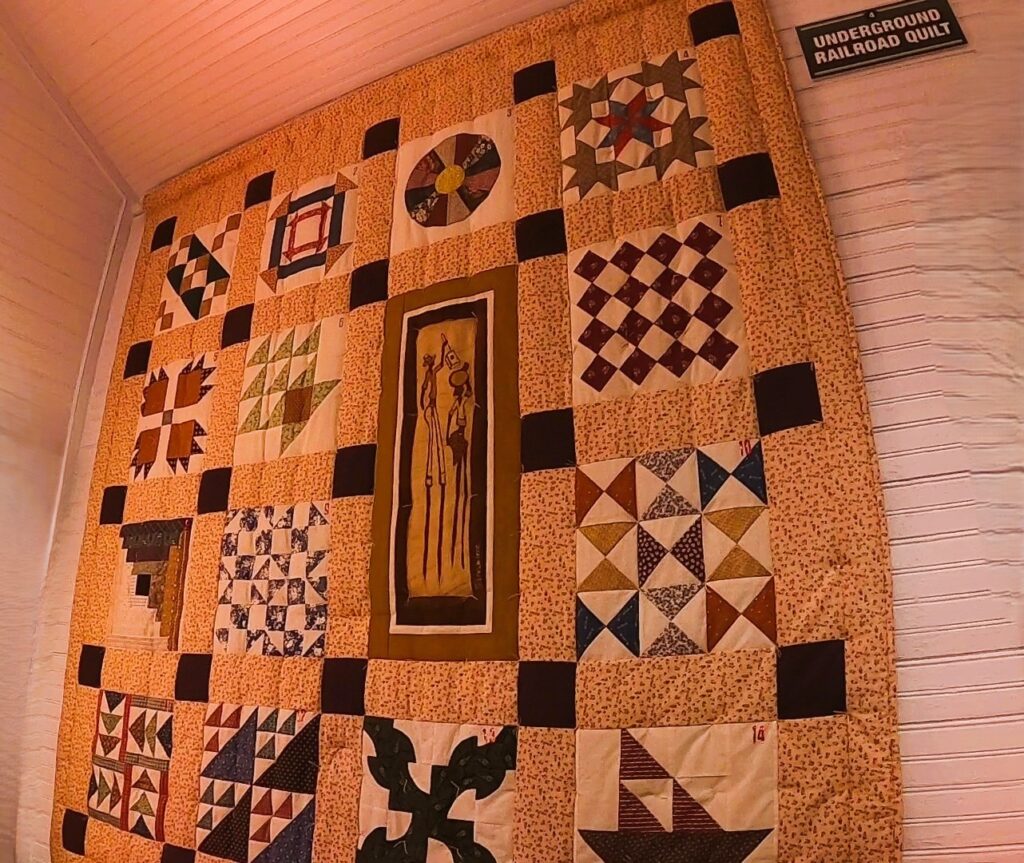
To learn more about the history of the Gullah Geechee people, start by visiting these remarkable museums. Better yet, come along with me. Pull up a chair on the front porch, sit a spell, and explore the stories of Penn Center and the Legacy of Penn School and the Mary S. Harrell Black Heritage Museum. The lessons taught there are not just about the past—they help us understand the people, traditions, and resilience that continue to shape the South today.

Another thing these two places have in common? Strong women. Penn School began with Laura Towne and Ellen Murray teaching formerly enslaved children around a dining room table. At the same time, the Civil War still had three years left to rage.
The Mary S. Harrell Black Heritage Museum grew from one woman’s determination that New Smyrna Beach, Florida’s local African American history should be remembered and shared. Different centuries. Different missions. Same belief—that stories matter.

Like my sweetgrass basket, it is physical proof that one person taught another, who taught another, who taught another. Eventually, that chain of teachers reached a plantation porch where this travel writer sat beside a Gullah woman, listening to stories of her ancestors, learning to weave pine straw and sweetgrass into a basket—because somebody, somewhere, refused to let the tradition disappear.
Planning a Lowcountry Road Trip
For more exciting trips, take a drive along the South Carolina coast and breathe in the Lowcountry. Head to Myrtle Beach and Georgetown County.

0 Comments