
Abbeville, Edgefield, Greenwood & Ninety Six – plus an Upstate bonus: Spartanburg
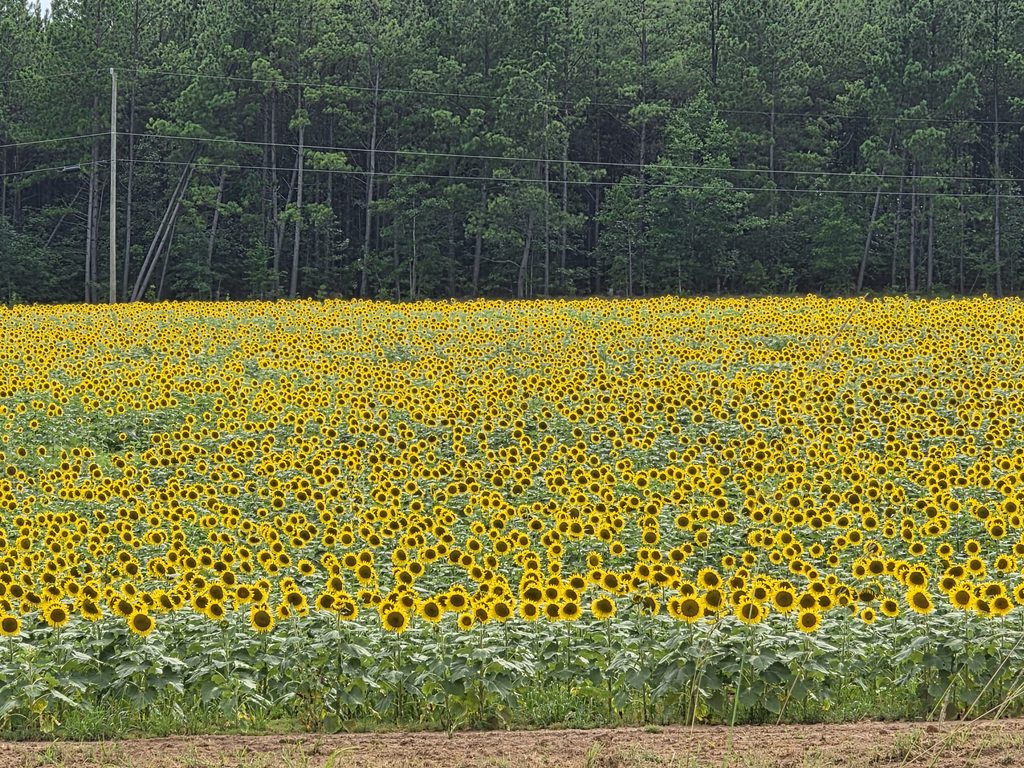
This time of year makes me think of South Carolina’s Upstate mountains, slower days, and softer moments. Naturally, I’m also wondering when those green leaves will start fading to yellow and drifting to the ground. A few days ago, the beach morning’s 58° air had just the tiniest hint of fall, even though the next day the temperature climbed back up to 94°.
It wasn’t much of a change, but it was enough to make me long for fall. I know it is still summer, both by the calendar and the thermometer, but it is time to begin planning an Upstate road trip. Peak foliage is expected in mid-to-late October and will continue into early November.
Join me and discover historic B&Bs, local wines, and an iconic battleground as we travel from Spartanburg down through Abbeville, South Carolina.
Table of Contents
Where and What is the South Carolina Upstate
Historically, the state was divided into the Lowcountry and the Upcountry, and separated by the Midlands. The modern term is the Upstate. You can call it either, but the key point is that it includes 10 northwestern counties along the Blue Ridge foothills, including Spartanburg, Greenwood, and Abbeville.
The Upstate counties and towns are easy day trips from several Southern towns. It’s under two hours from Columbia, South Carolina, even closer to Charlotte, North Carolina, and about three hours from Atlanta, Georgia. Make the drive: you’ll be glad you did.
Things to Do
First, get outdoors. Seriously. South Carolina borders the ocean on one side, but rivers roll down the mountains and foothills before reaching the Atlantic. Woodlands and forests cover 68% of the land, plus historic battlefields and gardens like Hatcher Garden and Woodland Preserve in Spartanburg. Forty-seven state parks cover 90,000 acres, plus Congaree National Park and seven other National Park Service units.
People often think of other states when they hear “Revolutionary War,” but South Carolina saw over 200 battles and skirmishes—more than any other of the 13 states. Six of those were major battles, and of the battlefields preserved for visitors, four are in the Upstate. Your only decision is where to start your tour: Lowcountry, Midlands, or Upstate.
Where to Go
Like my favorite line from Dr. Seuss’ Oh, the Places You’ll Go, “You’re on your own. And you know what you know. And YOU are the one who’ll decide where to go.” Read on to learn about the Upstate, and your head will be filled with so many choices it might explode.
The path that makes the most sense for this road trip, and saves time and gas, begins in Spartanburg, then travels through the Old 96 District, winding up in Abbeville. So, top off the gas tank and let’s hit the road.
Road Trip to Spartanburg
City Scape Winery (Pelzer)
First stop—you saw this coming, right? Even before you reach Spartanburg (if you are driving from Columbia) and less than an hour from Abbeville, Ninety Six, or Greenwood, City Scape Winery in Pelzer is a perfect lunch or dinner stop. As they say at City Scape, “come for the wine, stay for the snacks.” And I concur: the charcuterie board is filled with fresh sourdough bread, homemade pickles and spreads, and locally sourced meats and cheeses. Plus award-winning wines: be still my heart.
The vineyard and winery has always been family-owned, just not by the same family. City Scape has been producing wine since 2007. Josh and Debra Jones were raised in the Finger Lakes wine country of New York, and were living in Greenville when boredom reared its ugly head in 2009. Wine was a natural venture for the pair.
While searching for winemaking supplies, the couple discovered City Scape Winery. By 2015, they purchased the winery they had come to know, and ten years later, they still create new wines. Every wine City Scape bottles comes from grapes grown in South Carolina.
Explore Downtown Spartanburg
Spartanburg gives “one-stop shopping” new meaning when you arrive on West Main Street. In one block, you can browse the shelves and choose a book, start chapter one with coffee and an Oreo scone, and end up at a wine tasting—all without moving your car from its free on-street spot.
Hub City Bookshop was founded in 1995 by three local writers. Their mission? Make Spartanburg a center for the literary arts. The group has published books with special emphasis on South Carolina, debut, and Southern writers. Search the shelves for an author who calls to you. Have you always planned to write a book? The shop has a writer’s workshop and a writer’s club, so this may be just the push you need.
Little River Coffee Bar opens early for a quick cuppa before locals head off to work. The coffee bar opened in 2010, and Cakehead Bakeshop opened next door. They laughingly called themselves the “trifecta” (books, coffee, and baked goods). Life was good—until 2019, when Cakehead decided to close. Little River Coffee Bar bought the equipment, got trained, and started baking—and from the taste of things, they’ve still got a trifecta happening.
Carriage House Wines is a downtown wine shop with big-town wine selections. They carry affordable bottles in every varietal, including organic, and the wine bar also serves wine by the glass. (Sometimes a tasting just isn’t enough to decide.) The Carriage House also stocks spirits, making it a one-stop shop in a different way. Oh, and did I mention their curbside pickup service? *smile*
The Spice & Tea Exchange lets shoppers inhale and sigh (at least, that’s what I did). The shop offers spices, salts, and seasonings that are hard to find in most grocery aisles. It also has loose-leaf teas and sugars to delight any tea aficionado. This is the perfect spot to collect items for a gift basket for that hard-to-shop-for foodie friend.
Bond Street Wines has an impressive selection of international and domestic boutique wines. Jeff House has created a popular gathering spot and watering hole for locals. One group holds a “board meeting” at the corner table on Sunday afternoon. It adjourns to an outdoor table for their weekly mahjong game. The wine shop frequently hosts events with international flair, like its French wine tasting to celebrate Bastille Day.
Hub City Farmers’ Market (also called Sundays on Morgan Square) is a great way to spend a Sunday in Spartanburg. The market is held on the second Sunday of each month from May through October. You can browse fresh local produce and meats, baked goods, and handmade arts and crafts while listening to live music. A weekly farmer’s market also runs on Saturdays from April through November at Northside Harvest Park. Vendors are mostly local farmers and creators, but Asheville-based French Broad Pastry makes occasional appearances—including the day I was there, when they served authentic French bakery treats.
The sponsoring agency is PAL (Play, Advocate, Live Well), and information about markets and other activities in Spartanburg is on their website.
Hatcher Garden and Woodland Preserve
A self-guided tour of Hatcher Garden’s 10-acre public gardens is a wonderful escape from the bustling city streets.
Open daily from dawn until dusk, Hatcher Garden is free for all to enjoy. They host frequent special events, so check their website. For instance, in September they host Fall for Hatcher—A Tasting Trail. The special event ticket lets you stroll the gardens after hours, taste bite-size treats from area restaurants, and sip craft brews from local breweries.
Other special events include Tai Chi for Health, music in the park, and the Garden to Table series, which teaches participants to create indigo napkins during the three-hour workshop.
On Sidewalk Sundays, Hatcher Garden’s first Artist-in-Residence, Sandi Gerner, works in the garden near the waterfall, creating colorful chalk art and encouraging visitors to add their own artistic endeavors to the flagstone palette. Her talent and connection with nature and children are a joy to observe. Stop by and watch her work, even if you don’t plan to add your artistry to the Sunday Sidewalk Sketches.
Where to Eat & Drink in Spartanburg
Cribb’s Kitchen
Chef William Cribb created Cribb’s Kitchen. Opened in 2009, the eatery combines innovative cuisine with Southern hospitality to draw local diners. The menu features burgers, sandwiches, wraps, comfort food, classics, and salads. The menu includes globally inspired items that are locally sourced. You can order a cocktail like a Huckleberry Gin or beer on tap to wash it all down.
Jo Tip: The Burger with Bacon Jam and Brie is a bite of heaven.
The Kennedy
The Kennedy is a modern bistro serving New American and Southern-style lunch and dinner dishes in an Art Deco-inspired restaurant. I’ve learned it is another creation of Chef William Cribb. I’ll need a return visit—I missed the Fry Bread topped with Bluefin tuna and za’atar yogurt (I’ve loved fry bread since my first bite nearly 25 years ago.)
On this visit, I sat at the small cocktail bar overlooking the kitchen and totally indulged. Ordering appetizers and small plates lets you graze and occasionally share a few bites with neighbors who do the same—a win/win in my book every time.
My Chimichurri Beef Skewer was perfection on a plate, interspersed with balsamic tomatoes and marinated in lemon oil. The grilled Nosh Focaccia arrived with local tomatoes, pistou and whipped ricotta, showered with basil and drizzled with a sweet balsamic reduction. I have a new “theory of ducktivity”—all duck should be Shiny Duck. Kennedy’s duck confit glistens with plum hoisin and is served with kimchi fried rice topped with a sunny egg.
The Grilled Rainbow Carrots cooked in brown butter and thyme were soft, sweet, and just a bit herby. Served on a mound of whipped ricotta and sprinkled with herbed bread crumbs, they were finished off with drips of honey. Side dish? I think not. Maybe dessert.
A Montebuena Tempranillo was a delightful accompaniment to my meal.
I topped it all off with Kennedy’s Sticky Toffee Pudding, which is topped with housemade ice cream and warmed bourbon caramel sauce. I was also rewarded for sharing with a taste of my neighbor’s “Burnt” Chocolate Spoon Bread, a cookie-butter mousse also covered in that luscious bourbon caramel sauce.
Wade’s Restaurant
Wade’s Restaurant has delighted locals with its Southern cooking since 1947. Wade and Betty Lindsey founded the restaurant when the young couple bought a tiny grocery store, and, at the request of workers from Draper Corporation and Duke Power, Mrs. Betty started cooking family dishes for the lunch crowd. Perfectly seasoned, top-quality meats and vegetables (for the uninitiated, that’s a meat-and-three plate), plus scratch-made bread kept people coming back, and eight decades later, they still do. As good as the food is, the rolls may be the star of the plate. The kitchen turns out 3,500 of their famous melt-in-your-mouth yeast rolls every day.
Wade’s believes you should keep doing what they do right: the same ingredients, recipes, and service—and it’s still on the same street; they just moved three miles, from the south to the north end of Pine Street. Arrive on Sunday after church, when the line wraps around the building, and you’ll understand exactly what I mean.
Wade’s has a list of accomplishments and awards as long as your arm, as we say in the South. But two of the most impressive are the Southern Living Best Family Restaurant award and the 2024 James Beard America’s Classics Award/Southeast Region. The Beard award honors locally owned restaurants beloved for quality food. Only six US restaurants receive this award each year. Wade’s is the first Upstate winner and only the third recipient in the category in South Carolina.
My choice for a classic Wade’s meal? A meat I love but rarely cook for just myself: turkey and dressing, with cranberry sauce, of course! My “three” consisted of sweet potato casserole (and you know it was topped with toasted marshmallows), summer squash, and speckled butter beans. The service was fast—so fast that after I ordered, I slipped off to the ladies’ room to wash up, and my plate beat me to the table. I returned to find a placard on my table: “Be right back.” They kept it warm for me. A large slice of lemon pie finished off my meal and my only remaining corner of space.
Where to Stay in Spartanburg
Clevedale Historic Inn & Gardens
In Spartanburg, the Clevedale Historic Inn & Gardens is a welcoming place to rest each night. If you play your cards right, you can stay in the unique 1947 MackRail Cabin Car (a Southern Railway Caboose). Each morning, you will dine on Pontheolla Mack Abernathy’s Southern breakfast dishes that will linger on your tongue and in your mind, drawing you back again and again. (I’m talking about you, Shrimp and Grits.)
While a guest at the inn, enjoy wandering the four acres of gardens that were once part of a 440-acre 1798 plantation. Built in 1913 and named for the Cleveland family, the last family member to live at Clevedale was banker Conrad Cleveland, Jr., whose love for horticulture and English gardens is still apparent. As inn owners and hosts Pontheolla & Paul Abernathy say, “Clevedale is where history meets hospitality.”
For those with college-age youngsters, or returning alums, remember Spartanburg is home to more than five four-year colleges, and is only an hour and a half from Clemson. Just something to keep in mind if you need an excuse to plan a trip.
Explore Greenwood
Yes, you guessed it, this is another “Greene” town, named for General Nathanael Greene. Not far away is Greenville (originally chartered as Greeneville). General Greene carved quite a path in his first 38 years of life.
Uptown Greenwood is a walkable historic town, filled with topiaries, an art district, and several major annual festivals. Each June, the South Carolina Festival of Flowers fills the town with massive topiaries and live music, while garden tours are offered in the surrounding county. Enjoy walking around uptown Greenwood and admiring the “green-ery”—57 live, one-of-a-kind topiaries lined up along Main Street. Each floral sculpture is a living work of art, from a pig (appropriately hanging around the area where a BBQ competition is held) to a mermaid, a trumpeting elephant, and a Safari Jeep. Don’t miss posing in the photo frame for the perfect “selfie” to remember Greenwood.
In July, the weekend after the 4th, you can experience The Festival of Discovery in Uptown Greenwood. This annual, award-winning festival draws thousands of visitors. They come for the free live music, the Kansas City Barbeque Society’s barbecue championship competition, and the BBQ hash cook-off.
This year marked the 25th BBQ & Blues Festival of Discovery, celebrating rich tastes in music and food: soulful blues and Carolina Barbecue. The BBQ and Hash Cook-Off was in full swing. After much tasting and voting, Cocamoke Smoke BBQ from Pensacola, Florida, took home the grand champion title—see Kansas City? The South knows BBQ too! And if you haven’t tried BBQ Hash, well, I’ll just say you need to be in Greenwood next July. *yum*
Jo Tip: If you decide to attend, book a room early—those thousands who attend quickly fill up this small town.
Off the Bone BBQ traveled from Mobile, Alabama, to Greenwood to vie for the grand champion title. The company’s owner and chief cook, Petey Marshall, says, “You don’t need teeth to eat our meat!” Petey has prepared the family’s BBQ since he was nine and claims BBQ is in his DNA. Now 26, the Mobile native has won BBQ contests nationwide since he was 19. He has become quite the BBQ Entrepreneur, with his own line of rubs and sauces (available online) and a smile you can spot for blocks! His ribs were falling-off-the-bone delicious, but the championship title wasn’t in the cards for Petey—this year.
Check into the local theater schedule—musicals and theatrical performances are the norm for weekend entertainment. If there isn’t a show, you can find live music at many local restaurants.
The town also has a train museum—The Railroad Historical Center—which is calling me back, since I couldn’t fit it into this trip. Plus, there’s that flower festival, so I call dibs on a redo!
Where to Eat in Greenwood
Break on the Lake appears before you get into town. Plan lunch here and enjoy the views of Lake Greenwood as it laps calmly against the shore. Seafood and steak are among the most requested offerings, and the colorful cocktails are tasty, served with or without alcohol.
Soft-shell shrimp tacos, topped with wasabi aioli, cheddar jack cheese, and slaw, hit the spot for my dining companion. My mahi-mahi fillet with chimichurri and remoulade came with a bowl of steamed vegetables. It was the perfect choice to keep me going all afternoon.
Smokin’ the City
Unless you plan your road trip for mid-July, you may miss your chance to eat from one (or more) of the 100 competitors at Greenwood’s Annual BBQ & Blues Festival. But luck is on your side. One of my favorite competitors, Smokin’ the City, is based in Greenwood.
Pitmaster Jamie Workman’s slow-cooked barbecue comes from his popular food truck, which often parks at Workman’s Soul & Que or the Maxway Parking Lot. He cooks over hickory, pecan, and oak wood fires. He is known for his brisket, ribs, pulled pork or chicken, hash, fried ribs, fried fish, and turkey legs. For sides, you can choose from smoked macaroni & cheese, slaw, potato salad, baked beans, rice, fries, and fried okra.
Learning About Ninety Six
How did a South Carolina town get the unusual name Ninety Six? Charleston traders traveling from the port city to the Cherokee village of Keowee believed they had about 96 miles left after covering nearly 200 miles. Their estimate gave the settlement its name. They were pretty accurate for the early 1700s.
By the 1770s, Ninety Six had grown into an important backcountry crossroads, with 12 roads and paths meeting near the village. That strategic location made it a hotspot during the American Revolution. Patriot and Loyalist forces clashed here in 1775, and the fighting returned on a much larger scale in 1781.
During Major General Nathanael Greene’s Southern Campaign, Patriot forces laid siege to the fortified Loyalist stronghold from May 22 to June 18, 1781. It was the longest land siege of the Revolutionary War. Although the Patriots withdrew without capturing the fort, the original earthen Star Fort remains one of the site’s most distinctive features.
The Battle of Ninety Six played two important roles in American independence. It was the site of the first southern land battle in 1775, and, in 1781, the war’s longest field siege.
For more on the battles and the people who shaped this chapter of South Carolina history, listen to my Jo Goes Everywhere! podcast and read the feature on Big Blend Media’s Parks Magazine: Ninety Six National Historic Site.
Ninety Six National Historic Site
The visitor center’s museum introduces the settlement and its Revolutionary War history. It offers tips for a self-guided tour of the Ninety Six National Historic Site. They also have information on upcoming events and reenactments.
The paved round-trip Walking Tour takes visitors past the original Star Fort and other remnants of the siege. From the center, you can walk the one-mile paved loop trail, read interpretive signs that bring the battlefield to life, climb a watchtower, and examine the original Revolutionary War Star Fort.
Lt. Henry Haldane designed the earthen-wall fort, and Loyalist soldiers built it in 1781. The 14-foot-tall design was unpopular because it was difficult to construct, but the eight-point star shape allowed for firing in all directions.
Near the trail’s end is a marker honoring Long Cane Militia member James Birmingham, the man considered the first (and only) American Revolution Patriot killed in the Southern campaign’s Battle of Ninety Six at Williamson’s Fort in November 1775.
Another interesting local historic site is the childhood home of a Civil Rights Movement leader, Dr. Benjamin E. Mays, a mentor to Martin Luther King, Jr. The home is open daily, but on Saturday and Sunday, you must make an appointment. Tours are offered, but only by prearranged appointment.
96 Pecan Company
My thoughts still linger on those fresh South Carolina pecans and the factory in Ninety Six, the 96 Pecan Company. Oh, the temptations they put in front of you. You can try to resist, and if you succeed, well, you’re stronger than I am. The selections were all delicious, but the Lemon Crunch was, well, addictive. It is a good thing they ship. The shop is filled with other temptations too, like old-fashioned candy selections, flavored soda pop, and antiques. Pecans are an important part of the region’s heritage, and the 96 Pecan Company gives visitors a behind-the-scenes look at pecan harvesting, sorting, and marketing.
Visit Abbeville
Abbeville is home to sites like Trinity Episcopal Church, a Gothic Revival marvel, and a walk down the brick-paved streets will take you past the Abbeville Opera House, South Carolina’s official state theatre, which has hosted live performances since 1908. While you are downtown, a plethora of cute shops will draw you in. Don’t fight it—go in and browse. You will find items to bring home (or eat while you walk), and maybe a recipe or three from The Black Apron.
A history-filled Belmont Inn (built in 1903 as the Eureka Hotel) is across the side street from the Opera House. The original mounting block stands next to a statue of a steed who looks ready to carry you off on an adventure. A darling little girl was there to pet him before her grandmother hurried her off to breakfast. The hotel was built to host railroad guests, particularly Vaudeville stars traveling between New York and Miami. Notable guests include stars Fanny Brice, Jimmy Durante, and Ricky Nelson. Another passed through town with a secret service entourage: President Jimmy Carter.
The Abbeville County Historical Society has a 60-stop walking tour, which I learned about when I stopped at the Rough House for a hot dog. I discovered they were Stop #4. Unfortunately, I couldn’t find a brochure about the tour; however, the signs had QR codes to access a digital history of each spot. Now I’ve learned the inside scoop.
The Abbeville Historic Walking Tour features historic buildings and churches, plus homes, parks, and monuments. Stop #1 is the Abbeville Opera House. You can find maps at the town’s Welcome Center on the square, City Hall, or the Chamber of Commerce. If, like me, you arrive on a weekend (when those offices are closed), you can download the app from Google Play or the App Store.
Where to Stay in Abbeville
The Veranda on Main
Abbeville is home to the lovely bed-and-breakfast inn, The Veranda on Main. Designed in Southern Greek Revival style, the house is within walking distance of historic downtown. Opened in 2008 and now owned and operated by Darris and Karla Stoll, Veranda on Main is a thoughtfully appointed home, with comfortable spaces and beautifully decorated rooms. Late afternoon calls for a glass of wine and sitting on one of the wide porches (maybe in a rocker). An early breakfast on the porch is a good idea, too.
Continental breakfasts are included, and all rooms have access to a central kitchenette. On hand, you’ll find a wide array of baked goods, cereals, granola, homemade yogurt, and milk from local cows.
Tour Edgefield
Referred to as the “Home of Ten Governors” and the “Gateway to Southern History,” Edgefield, South Carolina, offers rich history, plenty of shopping, and delicious food. Trenton and Johnston are just minutes away, with roadside stands for fresh produce and ice cream, plus a winery.
What to See in Edgefield
Old Edgefield Pottery
Old Edgefield Pottery’s workshop and store were in downtown Edgefield, but are moving to nearby Johnston. Dr. Abner Landrum established Edgefield Pottery during the early 1800s. He found that the clay in this rural area was perfect for creating food-safe stoneware. Two and a quarter centuries later, Edgefield local Justin Guy, Master Potter in residence, still creates pottery in the same fashion, running the Old Edgefield studio and teaching pottery at USC Aiken.
Cooks Roadside Market
Cooks Roadside Market carries fresh produce of every description, locally sourced meats, and locally made jams, jellies, and pickles.
0 Comments